Source HPMC Polymer for Construction, Mortar, and Tile Adhesive
Find 30 HPMC polymer listings for construction applications including mortar, wall putty, and tile adhesive. Compare viscosity grades from 400 to 200,000 cps, methoxyl content, and packaging options to select the right thickening agent for your project needs.
Key considerations
Products List




Comprehensive Sourcing Guide
HPMC Polymer Sourcing Guide
Procuring Hydroxypropyl Methylcellulose (HPMC) requires a disciplined approach to distinguishing between industrial-grade thickeners and specialized construction additives. The market presents a wide spectrum of products, ranging from basic cellulose derivatives to high-viscosity formulations designed for specific mortar and adhesive applications. Buyers must navigate a landscape where product attributes like viscosity, methoxyl content, and particle size vary significantly between suppliers, directly impacting performance in final applications such as tile adhesives, wall putty, and general construction mortars.
Successful sourcing hinges on verifying that the listed product specifications align with the intended use case, as the same chemical name can cover vastly different performance profiles. While some listings emphasize direct factory sales and customizable packaging, others focus on specific viscosity grades or chemical composition ranges. A buyer must carefully cross-reference observed listing signals, such as particle size and solubility, against the technical requirements of their formulation to ensure the selected HPMC polymer will deliver the necessary water retention and binding properties without compromising the final product's integrity.
Product Scope and Observed Listing Signals
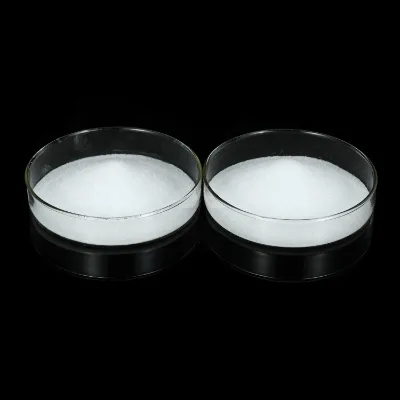
The observed product scope for HPMC polymer centers on its function as a thickening agent and coating auxiliary agent, primarily utilized in the construction sector for applications like mortar, wall putty, and tile adhesive agents. Listings consistently describe the material as a white or off-white powder that is soluble in water, with a particle size typically specified at 100 mesh. This physical form is critical for ensuring uniform dispersion in water-based systems, where the polymer acts to retain water, thicken the mixture, and provide essential binding capabilities to prevent cracking and improve workability.
Buyers should scrutinize listing signals regarding the specific model numbers and viscosity ranges, which can vary from 400 to 200,000 cps or mPa·s depending on the grade. Some suppliers list specific models such as E5, E15, K100M, or K200000, indicating distinct viscosity profiles tailored for different processing speeds and application thicknesses. The presence of customization options and sample availability, such as 200g samples, suggests that suppliers are prepared to support the buyer's formulation testing, but the buyer must confirm that the specific viscosity and chemical content match their technical requirements before committing to a bulk order.
Technical Specifications to Verify
Verification of chemical composition is paramount, as the functional performance of HPMC is dictated by its methoxyl and hydroxypropoxyl content. Reliable listings indicate a methoxyl content range of 19.0% to 30.0% and a hydroxypropoxyl content between 4.0% and 12.0%, which directly influences the polymer's solubility and thermal stability. Buyers must ensure that the supplier provides batch-specific data confirming these ranges, as deviations can alter the water retention capacity and thickening efficiency, potentially leading to application failures in critical construction scenarios.
Viscosity and physical appearance are the next critical parameters to validate against the intended application. The product is generally described as having high viscosity, with specific models ranging from 500 to 200,000 mPa·s, and a pH level between 5.0 and 8.0. It is essential to confirm that the particle size is consistent, typically 100 mesh, to prevent clumping during mixing. Additionally, the grade should be confirmed as Industrial Grade, derived from refined cotton or wood pulp, to ensure the material meets the durability and consistency standards required for long-term structural applications in mortar and adhesive systems.
Compliance and Safety Documentation
Safety and regulatory compliance are non-negotiable when sourcing chemical additives for construction and industrial use. Buyers must request Certificates of Analysis (COA) and Material Safety Data Sheets (MSDS) for every batch to verify that the product meets safety standards and contains no prohibited substances. The presence of these documents confirms that the supplier adheres to basic safety protocols and provides the necessary information for handling, storage, and emergency response, which is crucial for maintaining a safe working environment on construction sites.
While some background information may reference broader standards like ISO 9001 or REACH, buyers should not assume these certifications are active without explicit verification from the supplier. Instead, the focus should remain on the specific documentation provided for the product, such as the COA and MSDS, which serve as the primary evidence of quality and safety. Ensuring that the supplier performs 100% testing before delivery is a key indicator of their commitment to compliance, as it reduces the risk of receiving non-conforming batches that could compromise the safety and performance of the final construction product.
Cost Drivers and Commercial Terms
The cost of HPMC polymer is influenced by several factors, including the specific viscosity grade, the purity of the raw materials, and the complexity of the chemical modification process. Listings show a wide price range, from approximately $2.3 to $3,900, which reflects the diversity of product grades and order volumes. High-viscosity grades and specialized formulations typically command higher prices due to the more intensive manufacturing processes required to achieve the desired methoxyl and hydroxypropoxyl content.
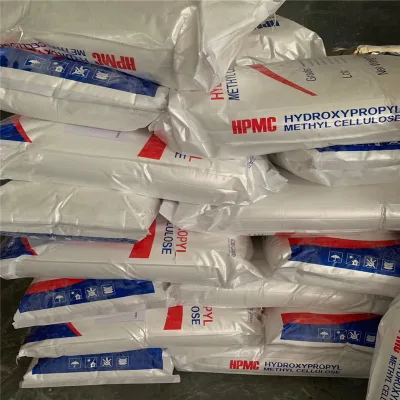
Commercial terms such as Minimum Order Quantity (MOQ) and packaging specifications play a significant role in the total cost of ownership. Observed MOQs range from 1 to 1000 units, allowing flexibility for both small-scale testing and large-scale industrial procurement. Packaging is commonly standardized at 25kg per bag or drum, with dimensions often cited around 754515cm, though customization is available. Buyers should negotiate based on these variables, considering that direct factory sales may offer better pricing, but they must also account for logistics costs associated with the specific packaging and weight of the product.
Supplier Qualification and Quality Control
Supplier qualification should prioritize those who demonstrate a robust quality control process, such as 100% testing before delivery. This practice ensures that every batch meets the specified viscosity, pH, and chemical composition requirements, minimizing the risk of production delays or product failures. Buyers should verify that the supplier offers 24-hour online after-sales support, which indicates a commitment to resolving technical issues promptly and providing guidance on product usage and troubleshooting.
The origin of the product is another critical factor in supplier qualification, with listings indicating origins in China, specifically in regions like Hebei and Shijiazhuang. While these locations are known for chemical manufacturing, buyers must ensure that the specific facility has the capacity to maintain consistent quality across large production runs. The availability of samples, such as 200g units, allows buyers to conduct their own preliminary testing to validate the supplier's claims regarding appearance, solubility, and performance before committing to a larger commercial order.
Long-Term Procurement Checks
Establishing a long-term procurement relationship requires regular audits of the supplier's ability to maintain consistent product specifications over time. Buyers should implement a schedule for periodic re-testing of incoming batches to ensure that the methoxyl content, hydroxypropoxyl content, and viscosity remain within the agreed-upon ranges. This proactive approach helps identify any drift in manufacturing quality early, allowing for corrective actions before the material impacts the final construction product.
Continuous communication regarding market trends and supply chain stability is also essential for long-term success. Buyers should maintain open lines of communication to discuss potential changes in raw material availability, such as refined cotton or wood pulp, which could affect production costs and lead times. By staying informed about the supplier's capacity and the broader market dynamics, buyers can better anticipate supply disruptions and adjust their procurement strategies to ensure a steady flow of high-quality HPMC polymer for their ongoing projects.
FAQs
What is the primary function of HPMC polymer in construction?
HPMC polymer serves as a thickening agent and water retention aid in construction applications. It improves the workability of mortar and tile adhesives while preventing premature water loss. This ensures proper curing and bonding strength for wall putty and other cementitious materials.
What appearance and physical form does HPMC polymer take?
HPMC polymer appears as a white or off-white powder with a particle size of 100 mesh. It is soluble in water and typically packaged in 25kg bags or drums. The material is refined from cotton or wood pulp to ensure consistent industrial grade quality.
What viscosity specifications are available for HPMC polymer?
Viscosity specifications range from 400 to 200,000 cps, with common models including K75000, K100000, and K200000. These grades allow users to select the appropriate thickening level for specific construction needs, ensuring optimal performance in mortar and adhesive formulations.
Can HPMC polymer be customized for specific industrial needs?
Yes, customization is available for HPMC polymer to meet specific industrial requirements. Buyers can request tailored packaging or specific methoxyl and hydroxypropoxyl content levels. This flexibility ensures the product aligns precisely with the technical demands of various coating and construction applications.
What certifications and quality controls apply to HPMC polymer?
HPMC polymer undergoes 100% testing before delivery and comes with COA and MSDS documentation. The product meets industrial grade standards and is sourced from manufacturers in China. This ensures transparency and compliance with safety and quality expectations for global buyers.